IMPORTANT
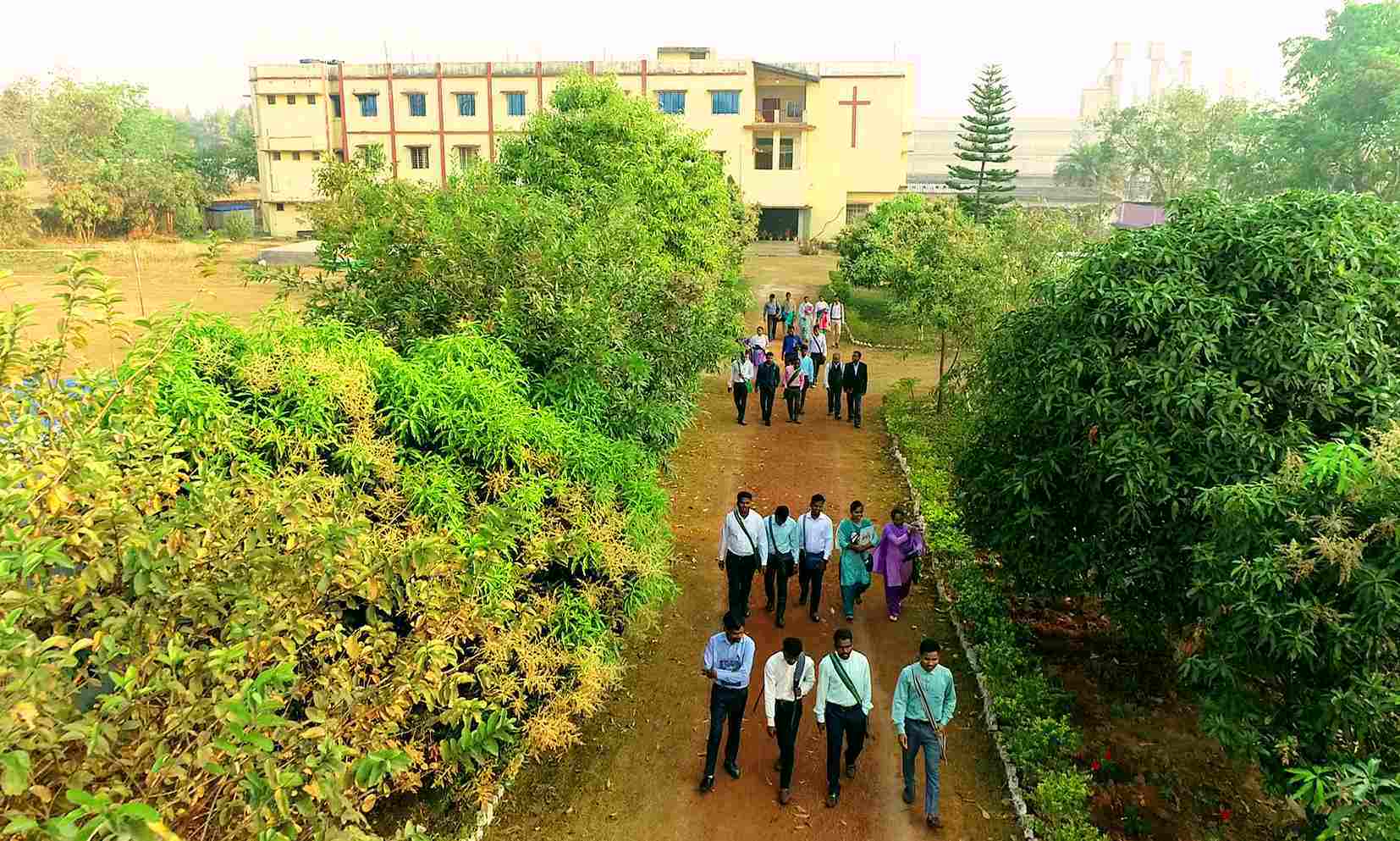
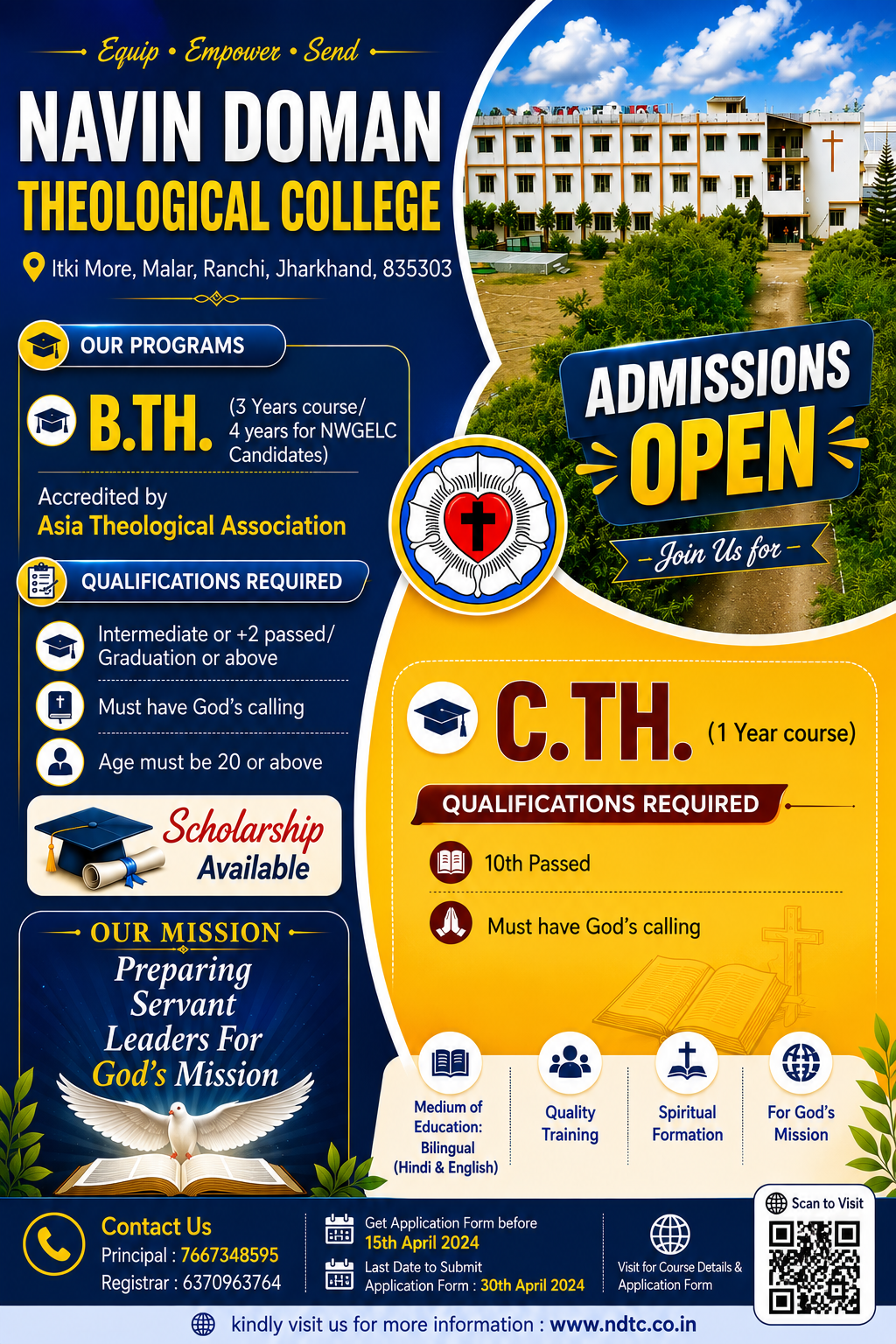
Navin Doman Theological College (NDTC) is a theological institution committed to preparing servant leaders for God's mission. Therefore, students are expected to maintain a Christ-centered lifestyle that reflects biblical values, spiritual maturity, and commitment to ministry. The following special guidelines help maintain a healthy spiritual and academic environment within the College community.
1. Spiritual Discipline:
Students are required to actively participate in
morning prayer, chapel worship, evening vespers, fasting prayer, Bible study,
and other spiritual activities. Personal devotion, prayer life, and regular
meditation on God's Word are encouraged as essential parts of theological formation.
2. Christian Character and Conduct:
Students must maintain a lifestyle that reflects
Christ-like character, humility, honesty, purity, love, and respect.
Their behavior, speech, and relationships should represent Christian values both inside
and outside the campus.
3. Worship and Ministry Participation:
As future ministers, students are expected to participate actively in
chapel services, Sunday practical ministry, mission programs, evangelism,
community outreach, and other ministry opportunities. These activities are
essential for developing practical ministry skills.
4. Respect for Biblical Teaching and Theological Learning:
Students should approach theological studies with seriousness, openness, and respect.
They are encouraged to develop a deeper understanding of Scripture, engage in healthy
discussions, and respect different perspectives while remaining faithful to biblical
principles.
5. Community Living and Fellowship:
Students are expected to live together as one Christian family by practicing
love, cooperation, forgiveness, mutual support, and servant attitude.
Conflicts should be resolved through prayer, dialogue, and a spirit of reconciliation.
6. Ministry Ethics and Responsibility:
Students must maintain proper conduct during practical ministry, church visits, and
community programs. They should respect the people they serve and demonstrate
compassion, confidentiality, responsibility, and integrity in all
ministry situations.
7. Dress, Appearance, and Lifestyle:
Students are expected to maintain a modest, decent, and appropriate appearance that
reflects their calling as theological students and future Christian leaders.
They should avoid activities and habits that negatively affect their spiritual life
and witness.
8. Use of Technology and Social Media:
Students should use mobile phones, computers, and social media responsibly. Technology
should support academic learning, ministry preparation, and communication without
disturbing spiritual discipline, studies, or community life.
Through these theological guidelines, NDTC seeks to develop students who are not only academically qualified but also spiritually mature, morally responsible, and prepared to serve as faithful ministers of Christ. These rules help create a community where students can grow in faith, knowledge, character, and servant leadership for God's mission.